
How Pool Installation in Southeast Michigan Creates a Backyard That Performs Through Every Season
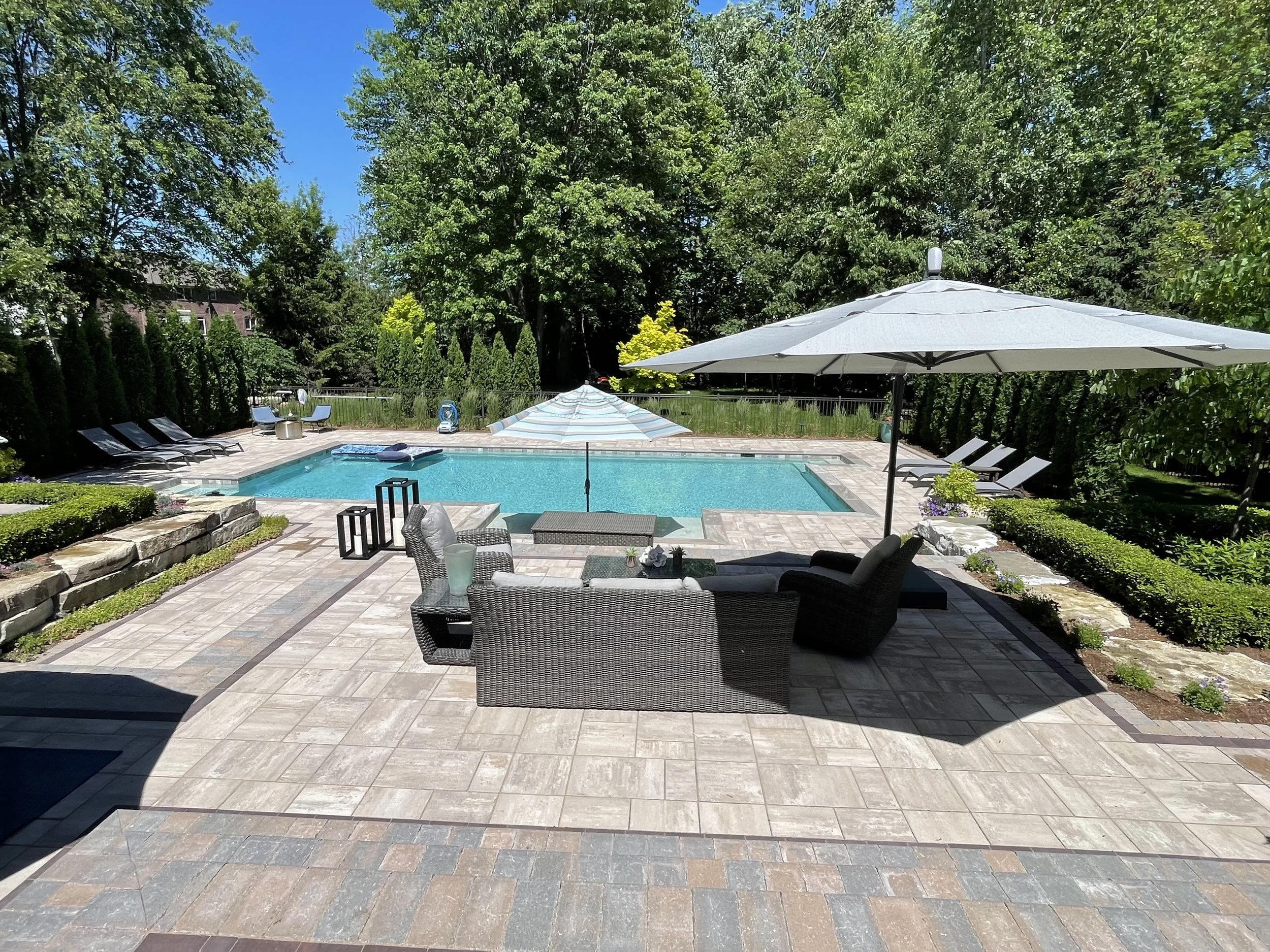
The decision to install a pool is not just a decision about the pool. It is a decision about the backyard. The pool will become the centerpiece of the outdoor space, and everything around it, the deck, the landscaping, the lighting, the fire features, the shade structures, and the overall flow between the house and the water, will either be designed to complement the pool or added piecemeal afterward.
Pool installation that treats the pool as part of a complete outdoor living environment produces a backyard the family uses every weekend from Memorial Day through Labor Day and every evening the temperature allows. Pool installation that focuses only on the shell and the equipment produces a pool that sits in an unfinished yard while the homeowner spends the next five years trying to figure out what goes around it.
In Southeast Michigan, where the outdoor season is compressed into five warm months and the winters demand that every outdoor feature be engineered for freeze thaw cycling, the pool installation is both an investment in lifestyle and an engineering challenge. Getting both right is what produces a pool that the homeowner never regrets.
What Pool Installation Involves Beyond the Shell
The pool shell is the engineering. The excavation, the structural walls or fiberglass placement, the plumbing, the filtration, the equipment pad, and the finish. That work is essential and must be executed to code and to the manufacturer's specifications. But the shell is the beginning of the project, not the entirety of it.
A complete pool installation in Macomb, MI, addresses:
The pool design, including the shape, the depth profile, the entry configuration, and any built in features like sun shelves, benches, or spillover spas. The design should be driven by how the family uses the water, not by a catalog template.
The pool deck, which is the surface that surrounds the pool and determines how the pool area functions as a living space. The deck material, the layout, the dimensions, and the integration with the house all affect whether the pool surround feels like a generous gathering area or a narrow walkway.
The poolscape, which includes the plantings, the screening, the retaining walls, and the grade transitions that connect the pool area to the rest of the landscape. The poolscape creates the seclusion, the beauty, and the environmental context that make the pool feel like a destination.
The complementary features, including fire pits, outdoor kitchens, seating walls, shade structures, and water features, that extend the pool area's function beyond swimming and make it the center of the outdoor living experience.
The lighting plan, including underwater LED lighting, deck lighting, and accent lighting in the surrounding landscape, that makes the pool and the entire outdoor space beautiful and functional after dark.
The equipment selection and placement, including the pump, the filter, the heater, the automation system, and the safety covers, positioned where they are accessible for maintenance but concealed from the living area.
When these elements are designed together as a single project, the result is a backyard that feels complete from day one. When they are addressed separately, the seams show.
How the Michigan Climate Shapes the Build
Southeast Michigan delivers conditions that most pool markets do not face. The frost line extends to 42 inches. The freeze thaw cycle runs five months. The snow loads on overhead structures and pool covers are significant. And the clay soils that underlie much of Oakland County expand and contract with moisture changes in ways that affect the pool structure, the deck, and the surrounding landscape.
These conditions affect every decision in the pool installation. The pool shell needs to be engineered for the lateral pressure that frozen, expanding soil exerts on the walls during winter. The plumbing needs to be installed below the frost line or designed for complete winterization. The deck base needs to be deep enough to resist frost heave. And the equipment needs to be protected from the elements during the off season.
The heater is not optional in this market. A pool in Southeast Michigan without a heater is usable for about ten weeks. A pool with a heater is usable for sixteen to twenty weeks, effectively doubling the return on the investment. Gas heaters provide the fastest temperature gain. Heat pumps are more energy efficient for maintaining temperature over longer periods. The choice depends on the homeowner's usage pattern and the energy costs they are comfortable with.
The safety cover is another essential component. A solid or mesh safety cover protects the pool during the seven months it is not in use, prevents debris accumulation, reduces spring opening costs, and meets the safety barrier requirements that many municipalities enforce. The cover also protects the pool finish from the UV and weather exposure that an uncovered pool would endure from October through April.
How the Pool Connects to the Rest of the Property
The most successful pool installations are the ones where the pool was designed as part of the overall landscape, not as a standalone feature. The patio that surrounds the pool connects to the walkway that leads from the house. The retaining wall that holds the grade behind the pool deck matches the material used on the front landscape walls. The plantings that screen the pool from the neighbors coordinate with the existing landscape palette. And the lighting extends from the pool to the surrounding beds, walkways, and structures, creating a continuous nighttime environment.
This integration requires a design build approach where the pool company and the landscape company are either the same entity or are working from the same design. The disconnect between a pool company that builds the pool and a landscape company that builds everything around it is where most backyards lose their cohesion. The materials do not match. The grades do not align. The drainage conflicts. And the homeowner ends up managing two contractors who are not coordinating with each other.
A design build firm that handles both the pool and the landscape eliminates that disconnect. The design accounts for every element. The construction is sequenced properly. And the finished product reads as a single environment rather than two projects that share a property line.
What the Homeowner Should Expect From the Process
Pool installation is a major construction project. The timeline in Southeast Michigan typically runs six to twelve weeks from excavation to swim, depending on the pool type, the scope of the surrounding work, and the permitting process in the specific municipality.
The permitting requirements vary by community but generally include a building permit, a barrier compliance review, and inspections at key stages of construction. The pool installation company should manage the permitting process, schedule the inspections, and ensure the project meets code at every stage.
The excavation is the most disruptive phase. Heavy equipment will access the backyard, soil will be removed and either hauled or redistributed on the property, and the yard will look like a construction zone for the duration. The homeowner should expect disruption, communicate with the neighbors, and plan for limited use of the outdoor space during the build.
The construction sequence matters. The pool shell is installed first. The plumbing and electrical are roughed in. The deck is built. The landscaping is installed. The equipment is connected and tested. The pool is filled, the chemistry is balanced, and the system is commissioned. Each step needs to happen in order, and the delays that affect one step affect everything that follows.
Communication from the pool installation company should be consistent throughout the process. Weekly updates, a clear schedule, and a single point of contact who can answer questions and address concerns are the minimum the homeowner should expect.
Related: From Concept to Dive-In: What Pool Companies Offer Royal Oak & Birmingham, MI, Homeowners
Fiberglass Versus Concrete: What the Michigan Climate Favors
The two primary pool types in the Southeast Michigan market are fiberglass and concrete (gunite or shotcrete). Both can produce a beautiful, functional pool. The differences are in the installation timeline, the maintenance profile, the design flexibility, and the long term ownership experience.
Fiberglass pools are manufactured as a single piece shell and installed into the excavation as a unit. The installation timeline is significantly shorter than concrete, typically two to four weeks versus eight to twelve weeks for concrete. The gel coat finish resists algae growth, reduces chemical demand, and provides a smooth surface that does not require replastering. And the structural integrity of the one piece shell eliminates the joint failures and surface cracking that can develop in concrete pools over time.
The trade off is design flexibility. Fiberglass pools are available in a wide range of shapes and sizes, but they are manufactured to standard molds. A homeowner who wants a completely custom shape, an irregular depth profile, or dimensions that do not match any available mold will need a concrete pool.
Concrete pools offer unlimited design flexibility. The shape, the depth, the entry configuration, the seating, and every other dimension can be customized to the site and the homeowner's vision. The finish options include plaster, pebble, quartz, and glass bead. And the pool can incorporate features like vanishing edges, perimeter overflow, and integrated spas that fiberglass shells do not accommodate.
The long term maintenance on a concrete pool is higher. The surface requires replastering every 10 to 15 years. The chemical demand is greater because the porous surface promotes algae growth. And the acid washing and brush maintenance that a smooth finish concrete pool requires add time and cost to the ownership experience.
The choice between fiberglass and concrete is a design, budget, and lifestyle decision. The pool installation company should present both options honestly and help the homeowner select the type that best serves the property and the family.
What to Look for in a Pool Installation Company
The pool installation company should demonstrate design capability, construction quality, and the systems to manage a complex project from start to finish.
The portfolio should show completed projects in the Southeast Michigan market that demonstrate the range of styles, the integration with the surrounding landscape, and the quality of the finish work. The process should begin with a design consultation, not a quote. The materials should be specified for the Michigan climate. And the warranty should cover the workmanship and the materials for a period that reflects the company's confidence in the build.
References from homeowners in the area who have been through the process, and who can speak to the communication, the timeline adherence, and the quality of the finished product, are the most reliable indicator of what the experience will be.
The Backyard That Was Worth the Wait
A pool installation in Southeast Michigan is a significant investment of money, time, and patience. The disruption is real. The timeline is long. The decisions are numerous. And the process, from the first design conversation to the first swim, requires trust in the company managing it.
But the moment the pool is filled, the deck is finished, the landscaping is in, and the family walks out the back door into a space that looks and feels like it was designed for them, the investment makes sense. The compressed Michigan summer suddenly has a centerpiece. The backyard has a purpose. And the property, which was always a good house, is now a great home. If that sounds like the outcome your property in Beverly Hills, Birmingham, Bloomfield Hills, Troy, Rochester Hills, or the surrounding communities deserves, the design conversation is where it starts.
Related: How to Choose the Best Pool Company in Clinton Township, MI for a Customized and Long-Lasting Pool
About the Author
When Russell Sheridan founded Legacy Landscape in 2013, he committed to completing every project to perfection and exceeding customer expectations. We continue that mission today, taking pride in designing and building luxurious landscapes where our customers can create special moments with loved ones.